
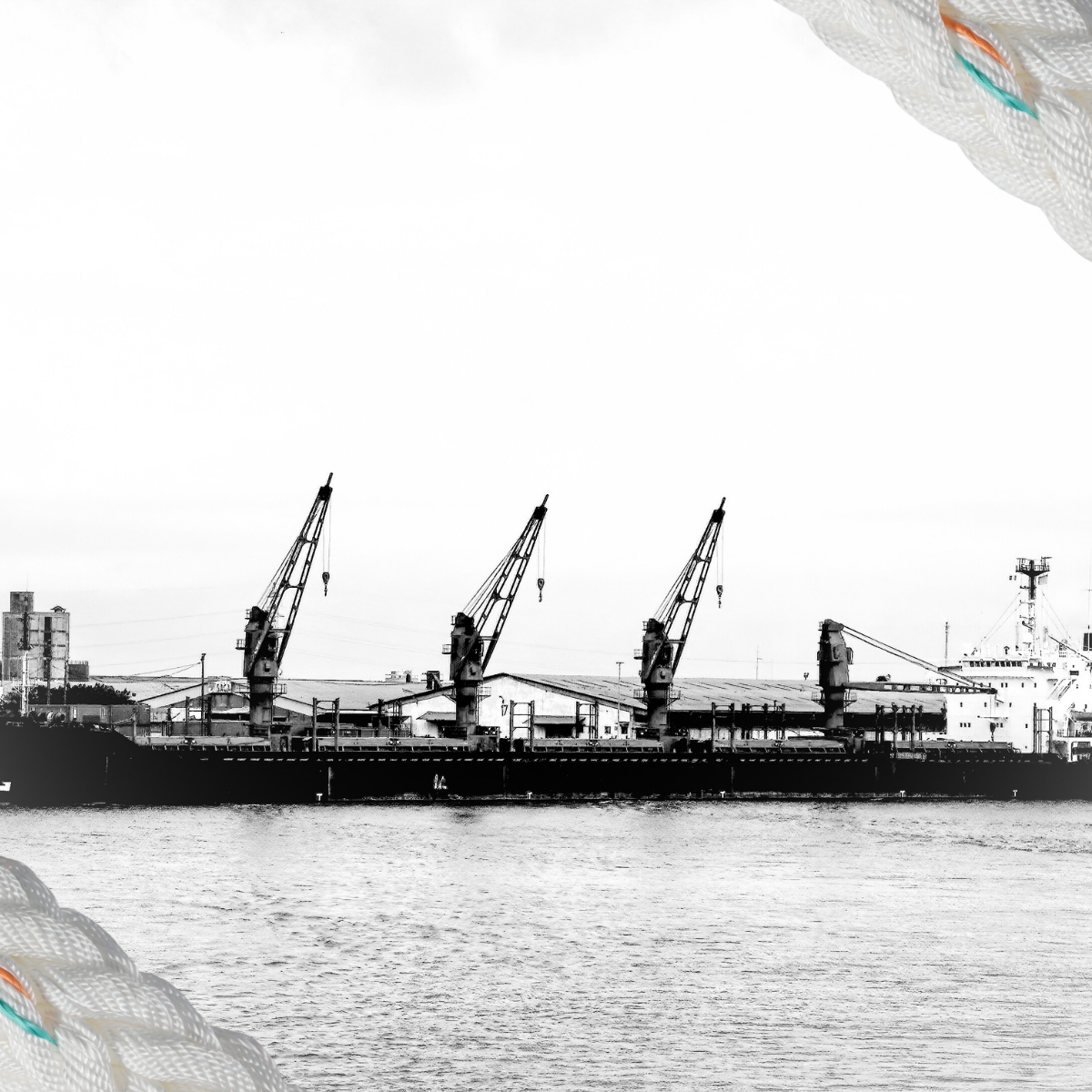
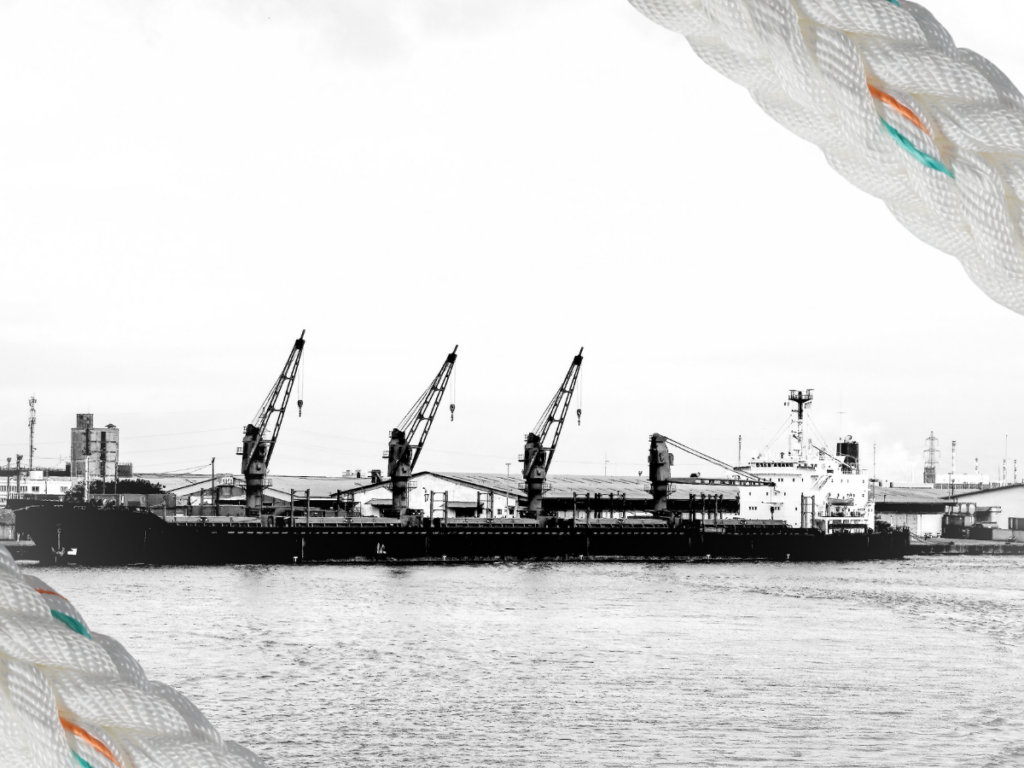
The safety and efficiency of modern bulk carriers depend heavily on the integrity of their mooring systems. Beyond simply extending the lifespan of the equipment, rigorous management of mooring ropes is a critical pillar of maritime safety, ensuring secure berthing and the protection of both crew and assets.
Rope Management & Maintenance Protocols
1️⃣ Regular Inspection and Assessment: Routine checks for surface wear, core integrity, and physical deformities (such as knots or folds) are essential, as these factors directly compromise load-bearing capacity.
2️⃣ Cleaning and Drying: Rinse ropes with fresh water to remove salt, sand, and impurities. After washing, allow them to air dry in a well-ventilated area to prevent mold or fiber rot.
3️⃣ Avoid Overloading and Excessive Extension: Strictly adhere to rated working tensile strengths. Overloading reduces service life and significantly increases the risk of catastrophic breakage.
4️⃣ Proper Storage: Store ropes in a dry, cool place away from direct sunlight to prevent UV-induced aging. Ensure lines are naturally relaxed rather than over-tightened or compressed.
5️⃣ Timely Replacement: Performance declines over time regardless of maintenance. While a 3–5 year cycle is standard, replacement should be dictated by the vessel’s specific operating environment and actual rope condition.
By prioritizing regular inspection, cleaning, and proper storage, shipping companies can effectively prevent accidents caused by #mooring line deficiencies, ensuring smooth and reliable operations.